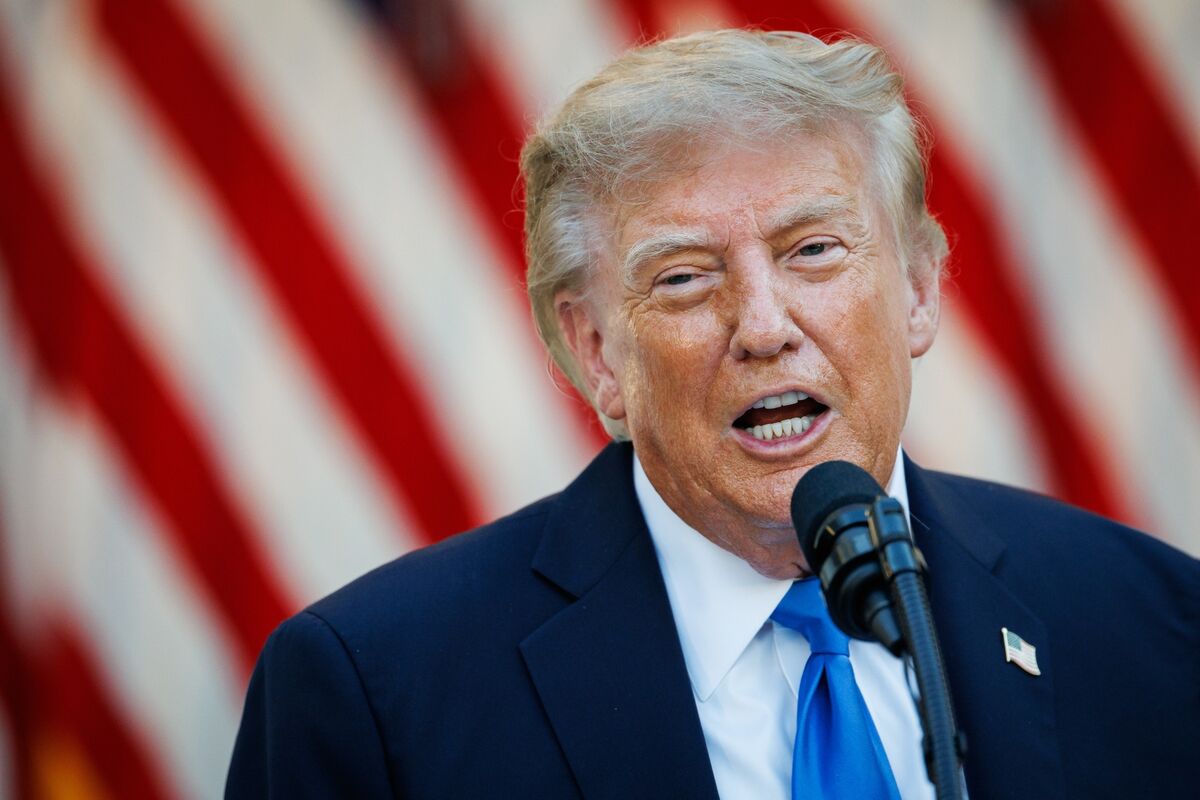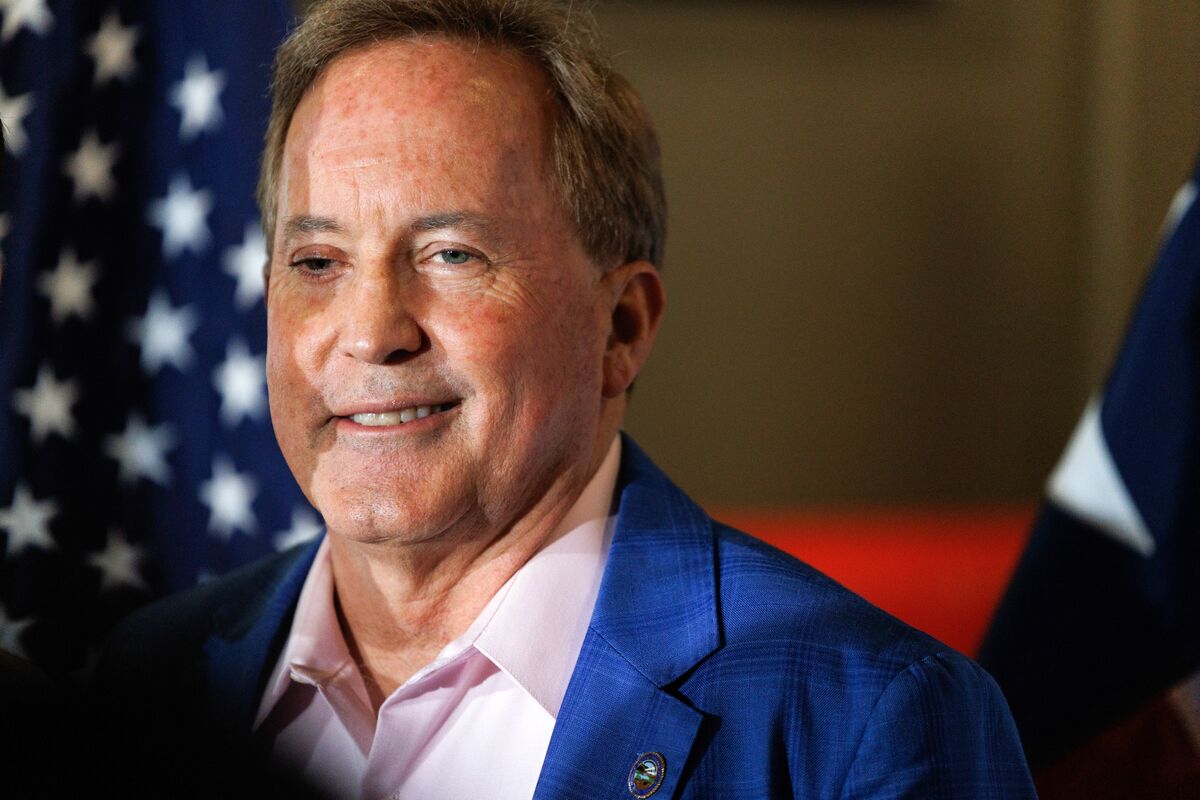



An early dismissal plan means House lawmakers have just one more work week in Washington before the elections, and a short list of priorities are now in serious doubt. Speaker Mike Johnson on Thursda...
In recent developments, Argentina's President Javier Milei has reignited tensions with the United Kingdom over the Falkland Islands, particularly targeting new oil projects in the disputed area. This move comes as Milei's presidency faces declining popularity, prompting him to assert Argentina's claims more aggressively. Meanwhile, in Europe, the European Central Bank (ECB) is anticipated to raise interest rates next week, with economists predicting a final hike, diverging from market expectations. This decision is part of a broader strategy to manage inflationary pressures, which have been exacerbated by geopolitical tensions and energy price volatility. Additionally, Germany's economy shows signs of recovery with a third consecutive month of rising factory orders, indicating a potential stabilization in Europe's largest economy.
In the Middle East, tensions remain high as Israeli military actions continue to impact Gaza and southern Lebanon, resulting in casualties and significant destruction. The ongoing conflict has drawn international attention, with the US ambassador to Israel calling for "severe consequences" to curb violence in the West Bank. Concurrently, Iran's oil industry claims to be circumventing US blockades, highlighting the persistent geopolitical friction in the region. In Asia, Japan's Finance Minister Satsuki Katayama is expected to retain her position amidst a cabinet reshuffle, reinforcing her economic policies. Meanwhile, Ukraine is urging NATO to expedite air defense support as Russian threats persist, underscoring the ongoing security challenges in Eastern Europe. These articles collectively reflect a landscape of geopolitical tensions and economic adjustments as nations navigate complex international relations and domestic challenges.