
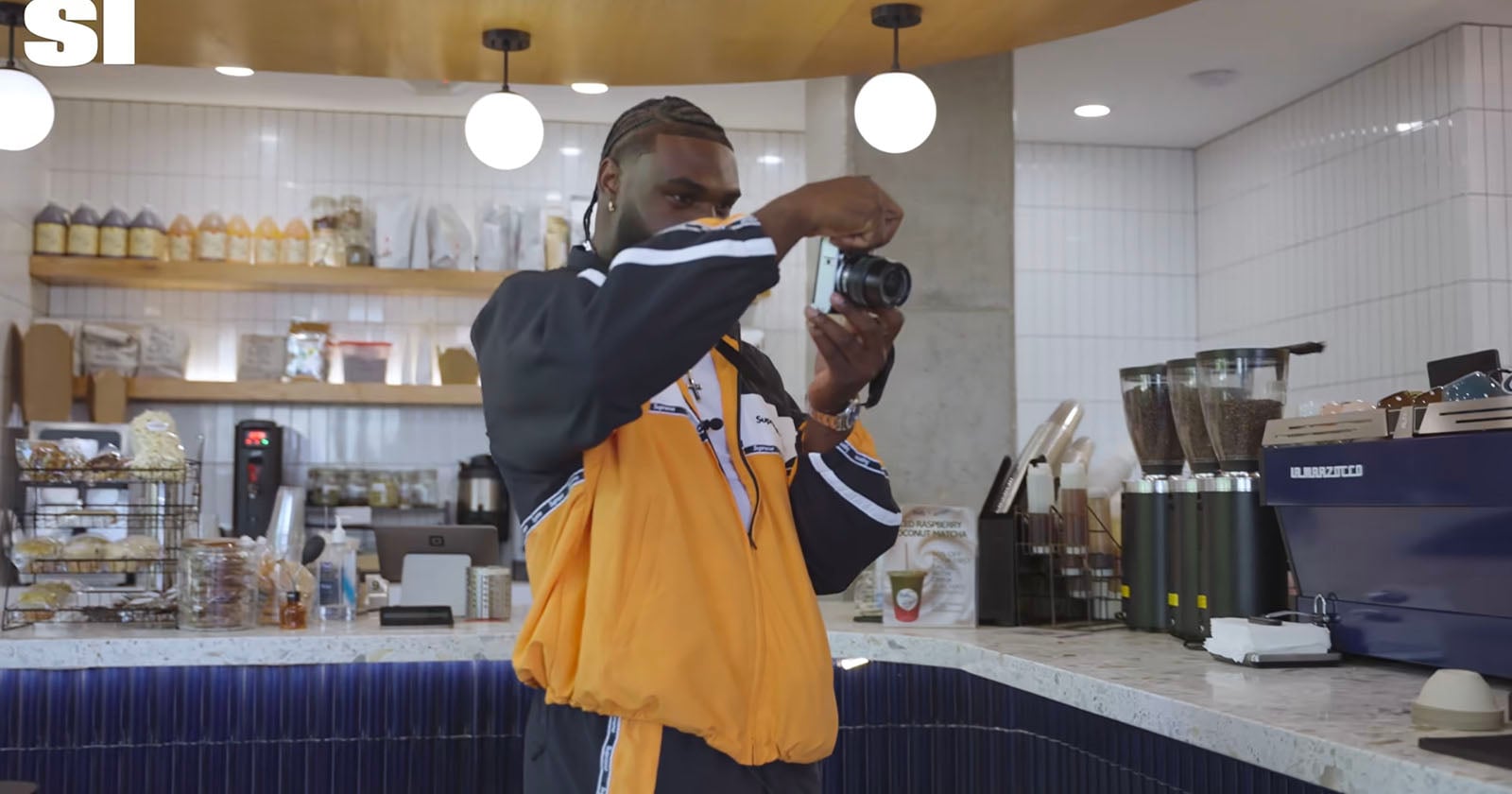
The NFL is oh so close to being back, and while the players have been running drills and pumping iron to keep themselves in shape during the offseason, one rising star has also been pursuing a more cu...
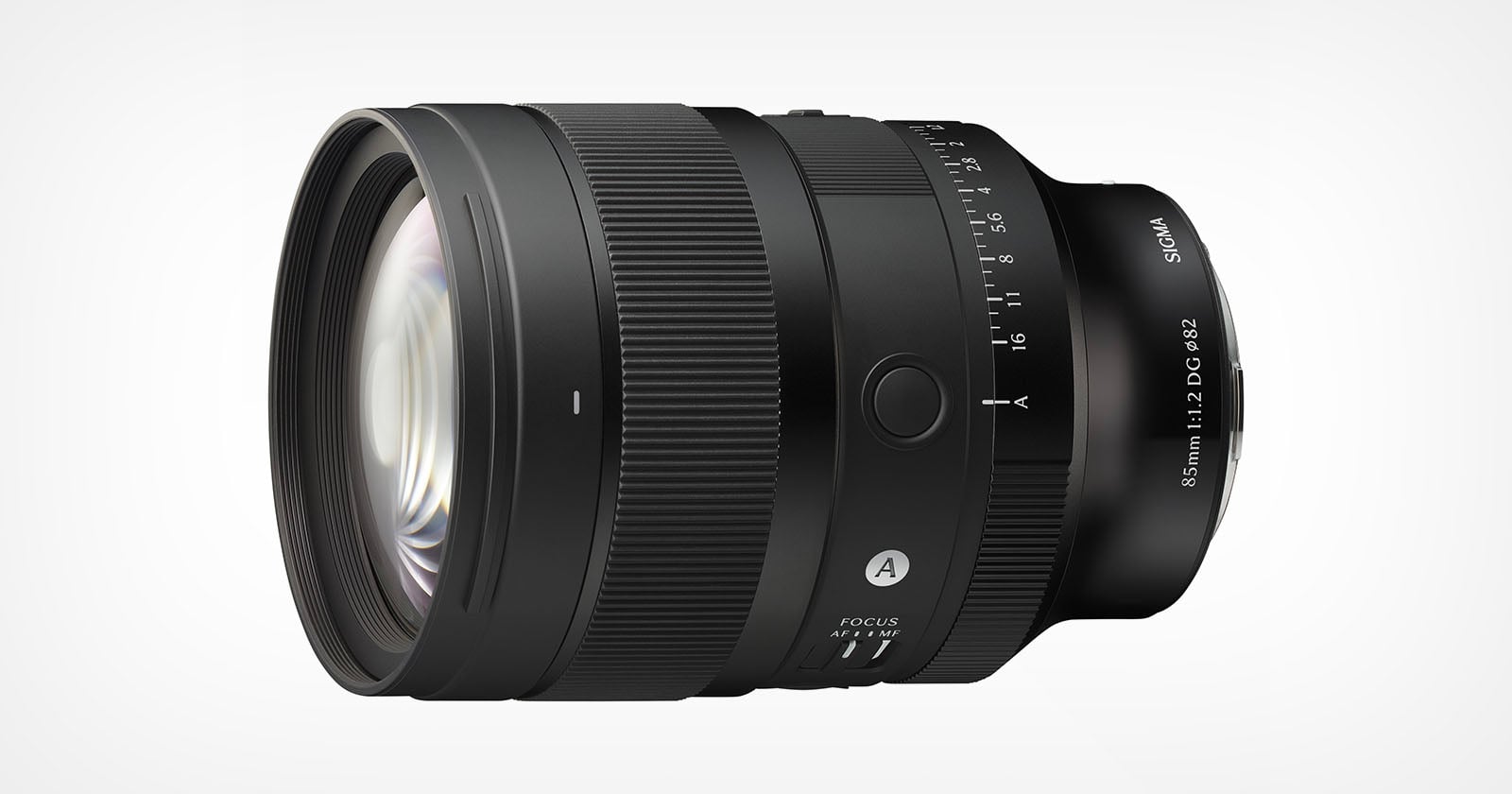
The recent articles on photography have highlighted several key trends and developments in the industry. One notable trend is the introduction of new and innovative camera equipment, such as Fujifilm's XF 400mm f/4.5 lens, which offers significant reach for wildlife and sports photography while maintaining a lightweight design. Similarly, Sigma has released the 20-60mm f/2.8-4 DG Contemporary lens, which provides ultra-wide-angle coverage in a compact form, appealing to photographers who prioritize portability without sacrificing image quality. Additionally, the resurgence of classic designs is evident with Leica's release of the Summicron-M 66mm f/2, a modern reinterpretation of a historic spy lens. This trend of blending modern technology with classic designs reflects a growing appreciation for both innovation and tradition in the photography world.
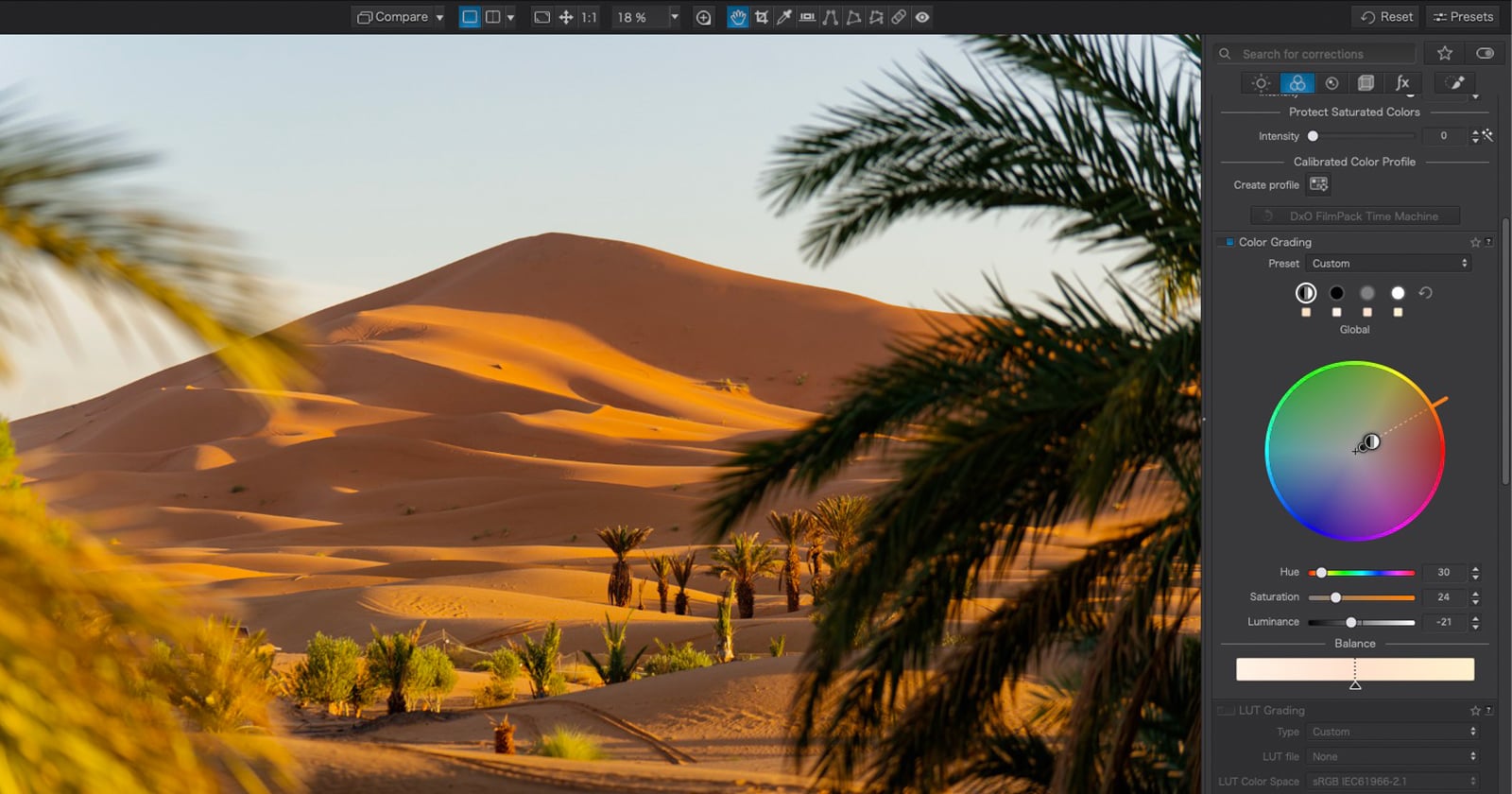
Another significant development is the focus on accessibility and affordability in photography equipment. The articles mention price drops on popular models like the Kodak Pixpro FZ45 and the introduction of affordable options like the Fulaim X6Q wireless recording system. These moves indicate an industry shift towards making high-quality photography tools more accessible to a broader audience, including amateur photographers and content creators. Furthermore, advancements in AI and software, such as Adobe Camera Raw's new Glow Effect, are enhancing post-processing capabilities, allowing photographers to achieve professional results with greater ease. These trends suggest that the photography industry is not only advancing technologically but also becoming more inclusive and user-friendly, catering to diverse needs and skill levels.







![You have to see these provocative and sexy shots from Bob Carlos Clarke marking a very important anniversary [NSFW]](https://amateurphotographer.com/wp-content/uploads/sites/7/2026/09/BLACK-WAVES-_-The-Estate-of-Bob-Carlos-Clarke_headr.jpg)