



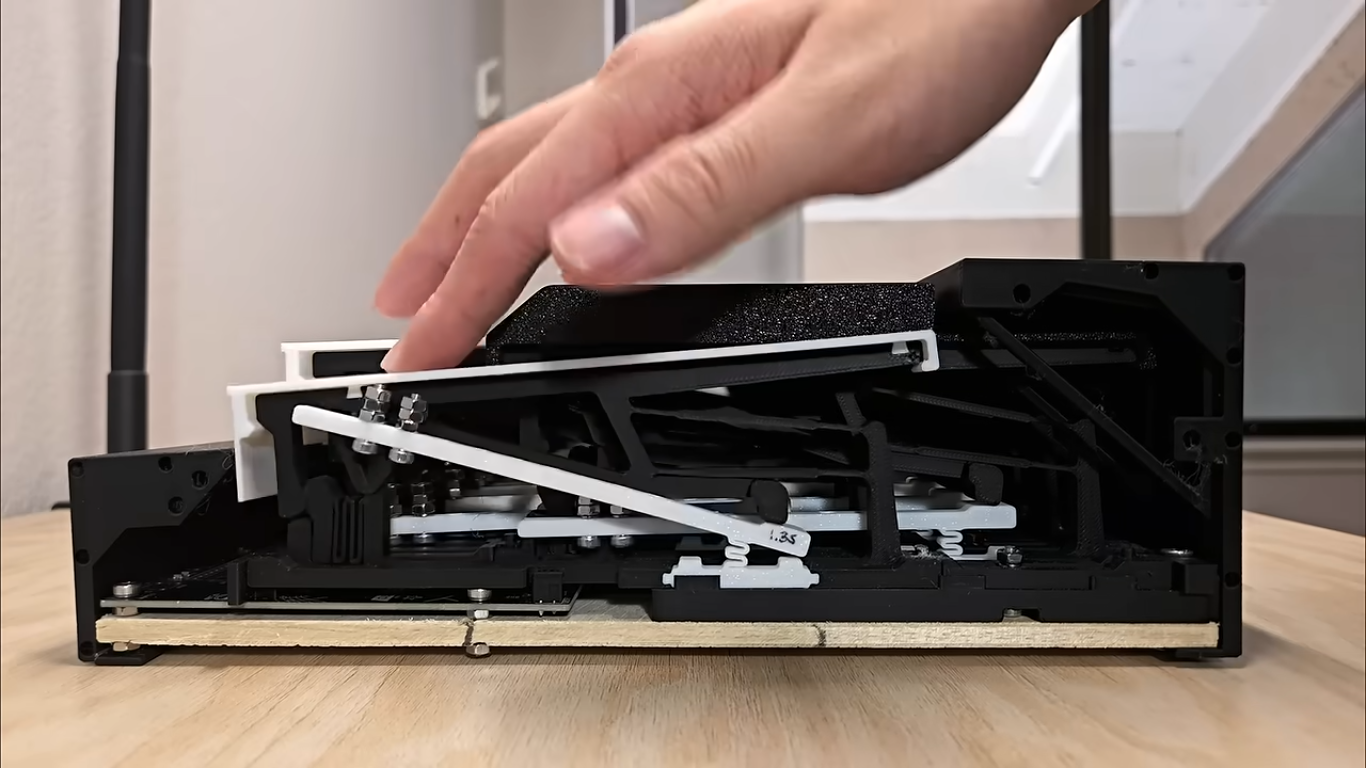
A piano's internal mechanism for translating a key press into sound is surprisingly complicated. It has to do a lot of things simultaneously and quickly: provide precise control over velocity, ensure the hammer doesn't press itself against the strings, ensure the hammer rebounds without accidentally hitting the strings, allow for quick, continued strikes of the strings, and dampen the string after the key is released. Not only is that a mouthful to say, it's a tall order for a mechanical device and took (arguably) around 150 years for the idea to be refined into what most of us would recognize as a piano.
Bryan Cockfield is an Author at Hackaday and NewsBreak. He covers a wide range of topics within the tech sector, focusing on consumer technology, renewable energy, and mechanical engineering, with particular interest in computer hardware, robotics, and energy sustainability. Bryan's work has been featured in prominent publications such as Hackaday and NewsBreak.