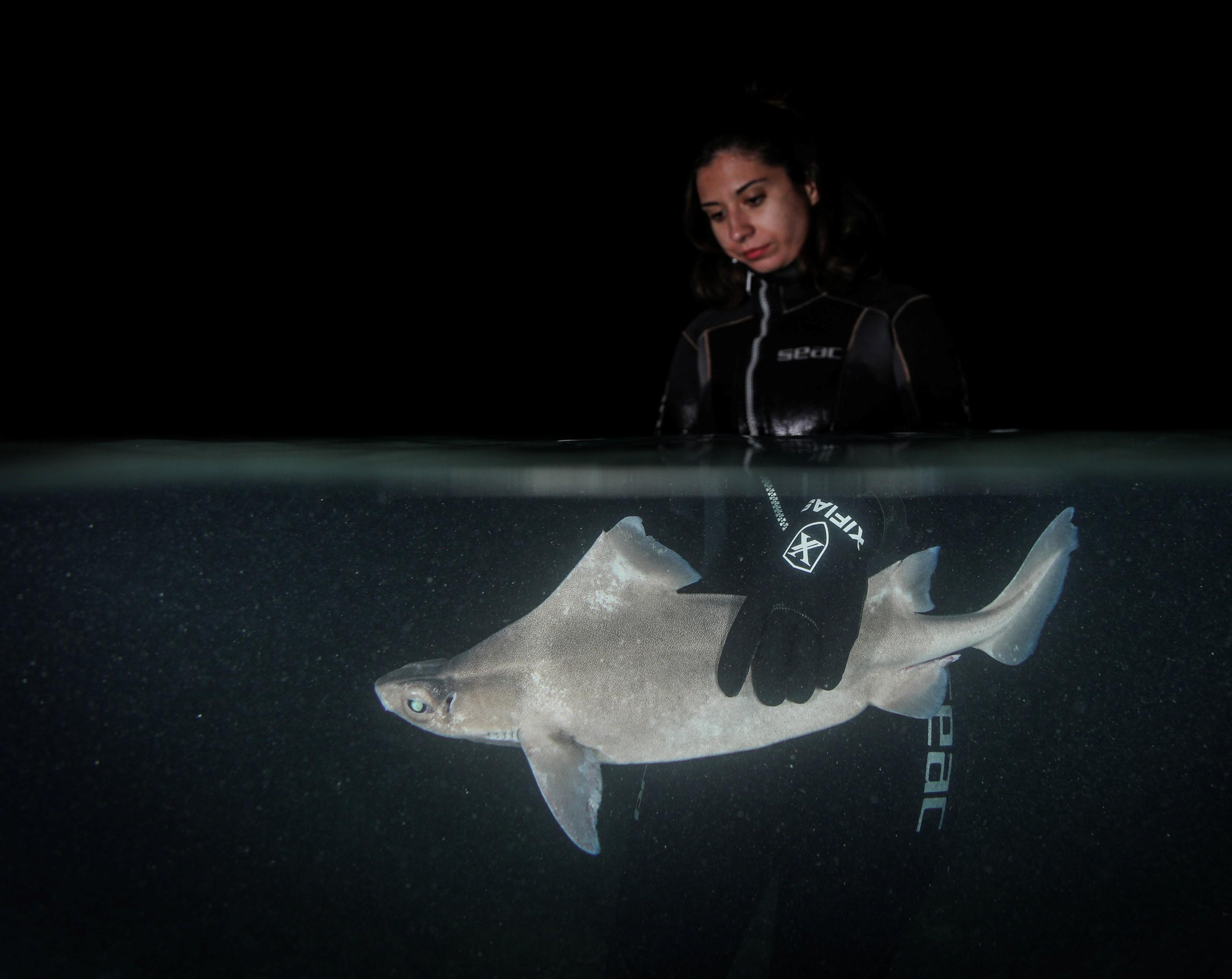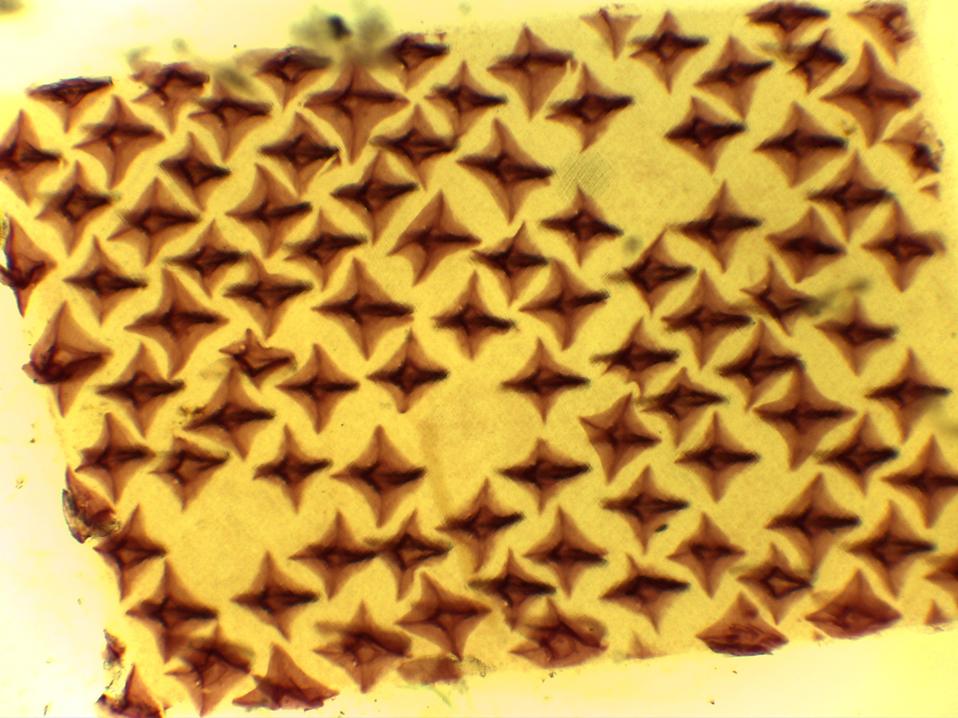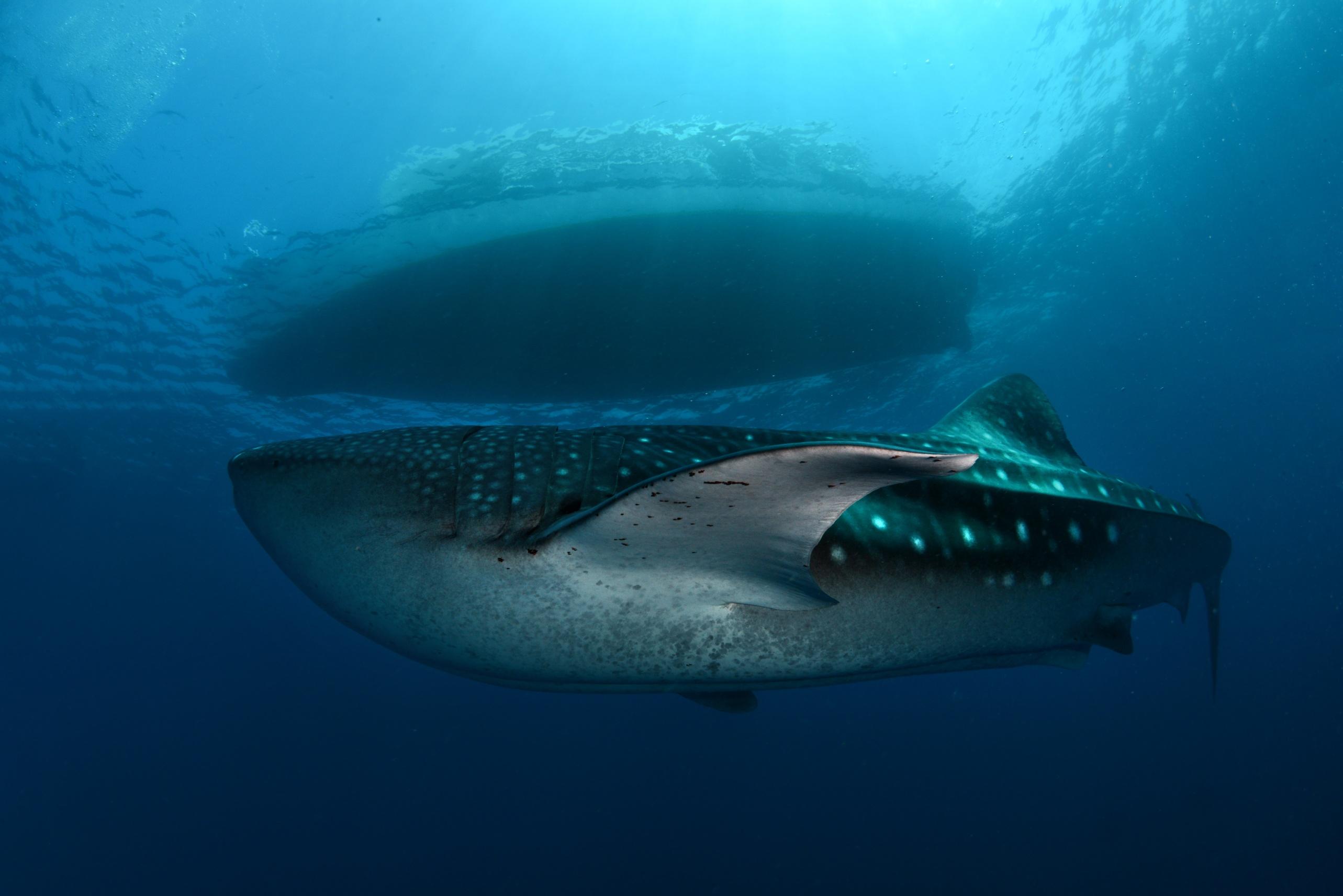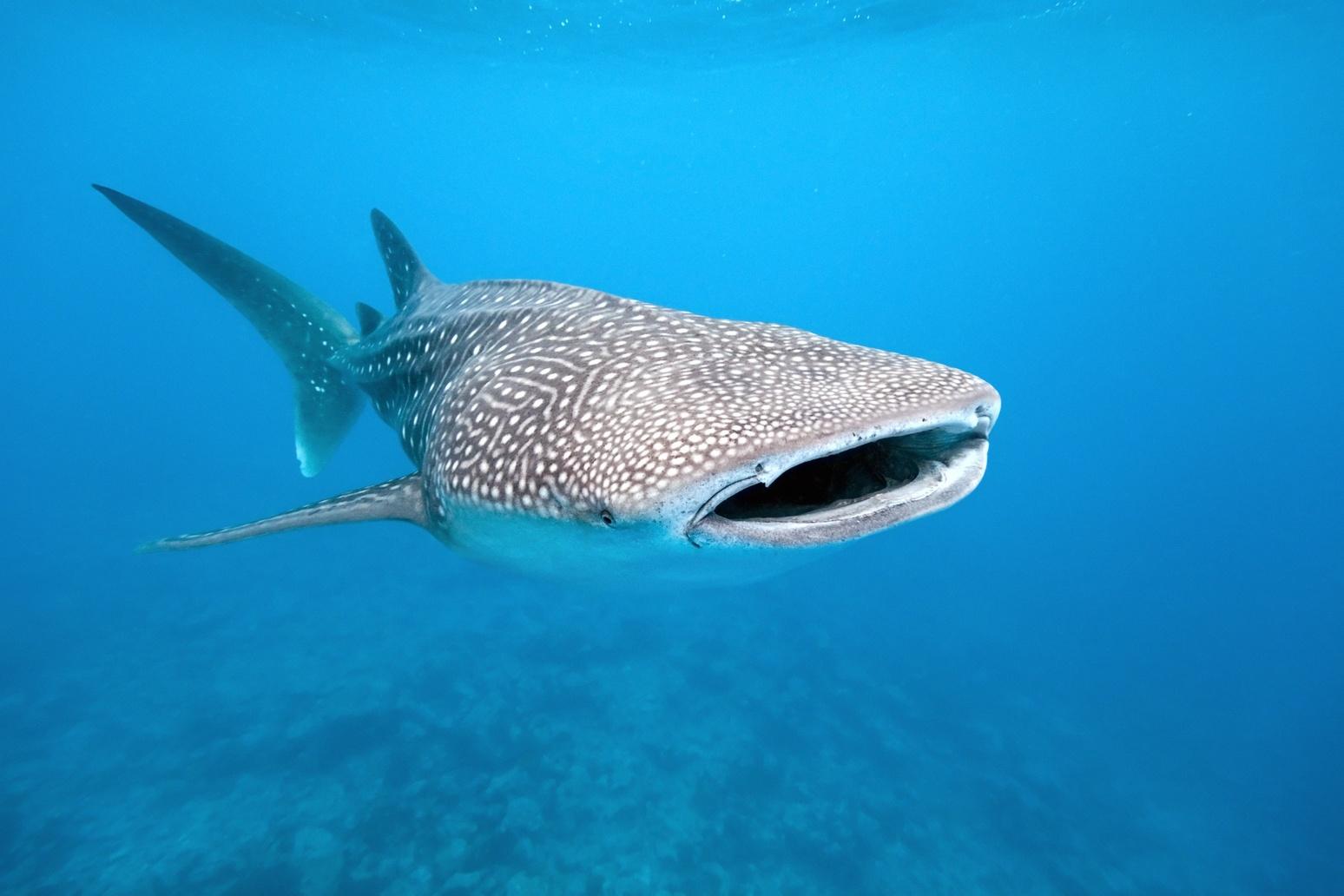



What if we could estimate a shark’s age from a small blood sample rather than counting growth rings in its vertebrae? New research on zebra sharks has developed an “epigenetic clock” that can predict age with surprising accuracy, using changes in DNA methylation at just 10 sites. The approach could eventually give conservation scientists a non-lethal way to understand the age structure of wild shark populations, while also offering clues about how aging itself evolved across vertebrates.

Geo Focus
Coverage Attributes:
Beta
Informative:
45
%
Data Driven:
42
%
Opinion:
12
%
Themes Covered:

Not enough data
Pitching Insights
Melissa Cristina Márquez's coverage is heavily focused on marine life, with an emphasis on sharks and other predatory sea creatures. She frequently cites data and includes expert commentary in her articles, indicating a preference for well-researched topics supported by credible sources.
Given the scientific and industry-specific nature of Melissa's coverage, she would likely be interested in pitches that provide new research findings or access to experts who can offer unique insights into marine life, particularly related to shark species and their conservation efforts.
Pitches should be tailored to showcase expertise in marine biology, shark behavior, conservation efforts or any recent scientific discoveries related to aquatic animals. It’s important for sources reaching out to have strong credentials within the field of marine science.
This information evolves through artificial intelligence and human feedback. Improve this profile .
Journalists With Similar Coverage:
Based on similarity of content.
Publications
Most recent topics
Not enough data

Publications
Most recent topics
Not enough data

Publications
Most recent topics
Not enough data
Publications
Most recent topics
Not enough data
Publications
Most recent topics
Not enough data
Publications
Most recent topics
Not enough data