




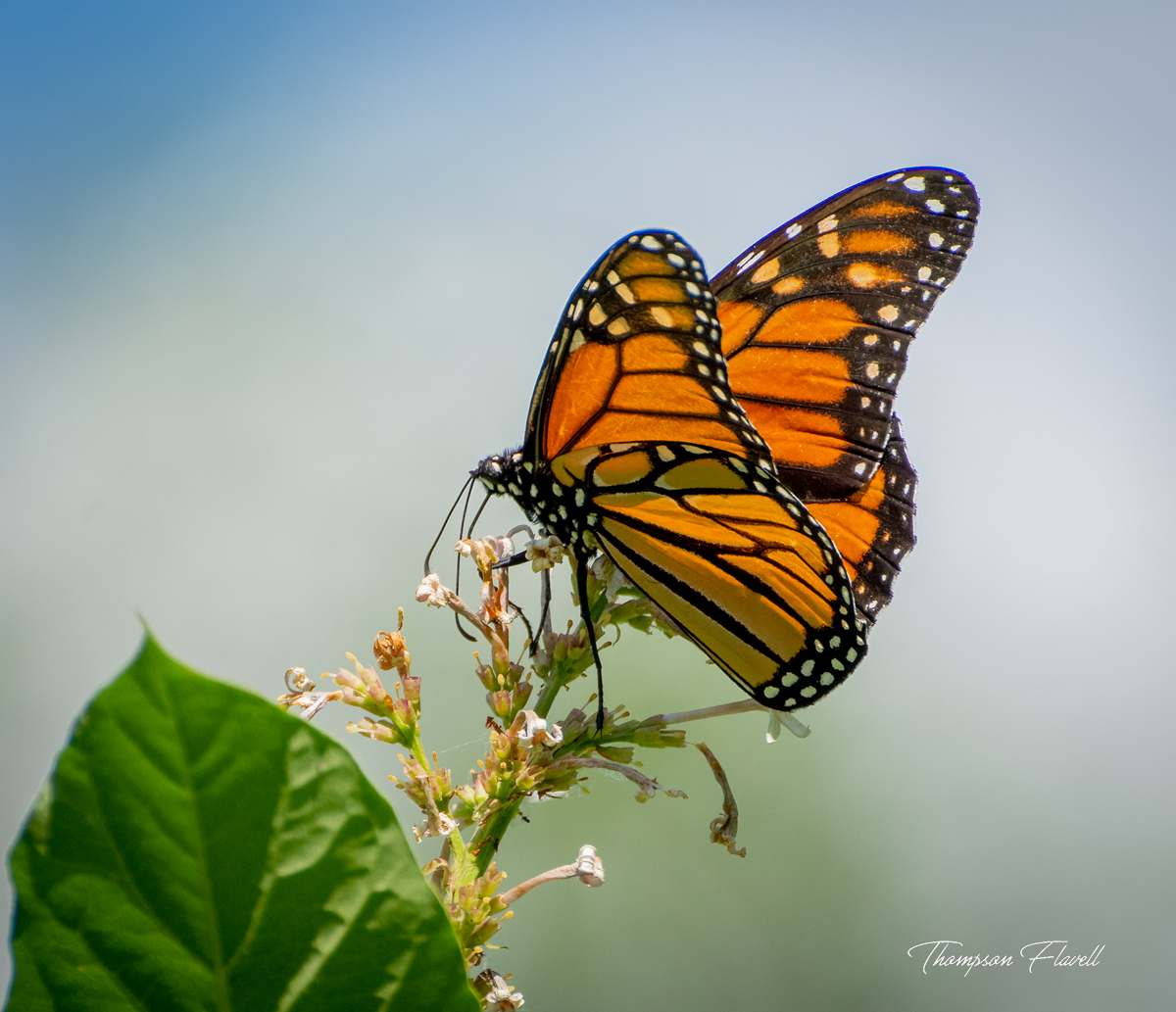
As monarch butterflies begin returning to Saskatchewan for the summer, Nature Saskatchewan is encouraging residents to check their milkweed patches, plant native species, and report sightings to help monitor the endangered insect’s population. Emily Putz, habitat stewardship coordinator with Nature Saskatchewan, said the first spring generation of monarchs typically arrives in Saskatchewan by mid-June and is now beginning the next stage of its life cycle. “So the eggs and caterpillars are likely already out this week,” Putz said. “It’s a great time to get out and check your milkweed patches to see if you have any of them.” Milkweed critical to monarch survival Monarch butterflies depend entirely on milkweed to reproduce. Putz explained monarchs are “milkweed obligates,” meaning they can only lay eggs on milkweed, and monarch caterpillars feed exclusively on the plant. googletag.cmd.push(function() { if($(document).width()<900) { s = googletag.defineSlot('/50748803/dmj-all-bigbox', [300, 250], 'div-gpt-1648064270259-bbm1'); s.setTargeting('URL', [window.location.pathname]); s.setTargeting('position', [1648064270259]) s.setTargeting('story_id', 'endangered-monarchs-return-to-saskatchewan-to-begin-summer-cycle'); s.addService(googletag.pubads()); googletag.pubads().refresh([s], {changeCorrelator: false}); } }); While adult butterflies consume nectar from a variety of flowering plants, caterpillars rely solely on milkweed for survival. The species was listed as endangered in Canada in 2023 after being elevated from the special concern category, largely due to habitat loss and declining populations. Putz said milkweed habitat has become increasingly limited as native prairie disappears and milkweed continues to be treated as a weed in some jurisdictions. “We only have about 13 per cent of our native prairie left in the province,” she said. Related Stories: Native plants offer low maintenance options for Saskatchewan gardeners Dos and don’ts of helping the monarch butterfly population ‘Flowers for the flight’: Endangered Monarch butterflies need fuel for epic migration ▶️ Stream this news story: 800 CHAB, Country 100, Mix 103 Hope for improvement Although monarch sightings were relatively scarce in Saskatchewan last year, Putz said there are early signs this season could be more promising. googletag.cmd.push(function() { if($(document).width()<900) { s = googletag.defineSlot('/50748803/dmj-all-bigbox', [300, 250], 'div-gpt-1648064270259-bbm2'); s.setTargeting('URL', [window.location.pathname]); s.setTargeting('position', [1648064270259]) s.setTargeting('story_id', 'endangered-monarchs-return-to-saskatchewan-to-begin-summer-cycle'); s.addService(googletag.pubads()); googletag.pubads().refresh([s], {changeCorrelator: false}); } }); “The year before was pretty average, but last year I barely got any sightings,” she said. However, monarchs reportedly experienced a successful winter in their Mexico overwintering grounds, and Putz has already heard reports of increased sightings across Saskatchewan this spring. “I have hope that this year we might see a little bit of an upswing, but it is very year-to-year,” Putz said. How residents can help Nature Saskatchewan recommends planting native milkweed species such as common, showy, and dwarf milkweed, along with native flowering plants that provide nectar for adult butterflies. googletag.cmd.push(function() { if($(document).width()<900) { s = googletag.defineSlot('/50748803/dmj-all-bigbox', [300, 250], 'div-gpt-1648064270259-bbm3'); s.setTargeting('URL', [window.location.pathname]); s.setTargeting('position', [1648064270259]) s.setTargeting('story_id', 'endangered-monarchs-return-to-saskatchewan-to-begin-summer-cycle'); s.addService(googletag.pubads()); googletag.pubads().refresh([s], {changeCorrelator: false}); } }); Putz warned against planting tropical milkweed and other non-native varieties, which can disrupt monarch migration patterns and spread harmful parasites. She also advised against raising caterpillars indoors or capturing monarchs for release. “If you see the caterpillar in the wild, you can check on it over the next few days,” Putz said. “It shouldn't move very far, but leave it be. Let it have its space and report the sighting.” Residents who spot monarch butterflies, caterpillars, or eggs are encouraged to report sightings through Nature Saskatchewan’s HOOTline at 1-800-667-HOOT (4668) or by emailing [email protected]. Photographs and detailed location information help researchers verify sightings and track population trends. Putz said Saskatchewan plays a significant role in the monarch’s life cycle, with multiple generations born in the province each summer before the final generation migrates thousands of kilometres back to Mexico in the fall. googletag.cmd.push(function() { if($(document).width()<900) { s = googletag.defineSlot('/50748803/dmj-all-bigbox', [300, 250], 'div-gpt-1648064270259-bbm4'); s.setTargeting('URL', [window.location.pathname]); s.setTargeting('position', [1648064270259]) s.setTargeting('story_id', 'endangered-monarchs-return-to-saskatchewan-to-begin-summer-cycle'); s.addService(googletag.pubads()); googletag.pubads().refresh([s], {changeCorrelator: false}); } }); “They are one of the most iconic species,” Putz said. “They’re our largest butterfly and they do have such a unique multi-generational mass migration that really no other species undergoes.” Nature Saskatchewan uses public sightings to help inform recovery efforts and better understand where monarch populations are thriving across the province.
Moose Jaw, Canada (Local)