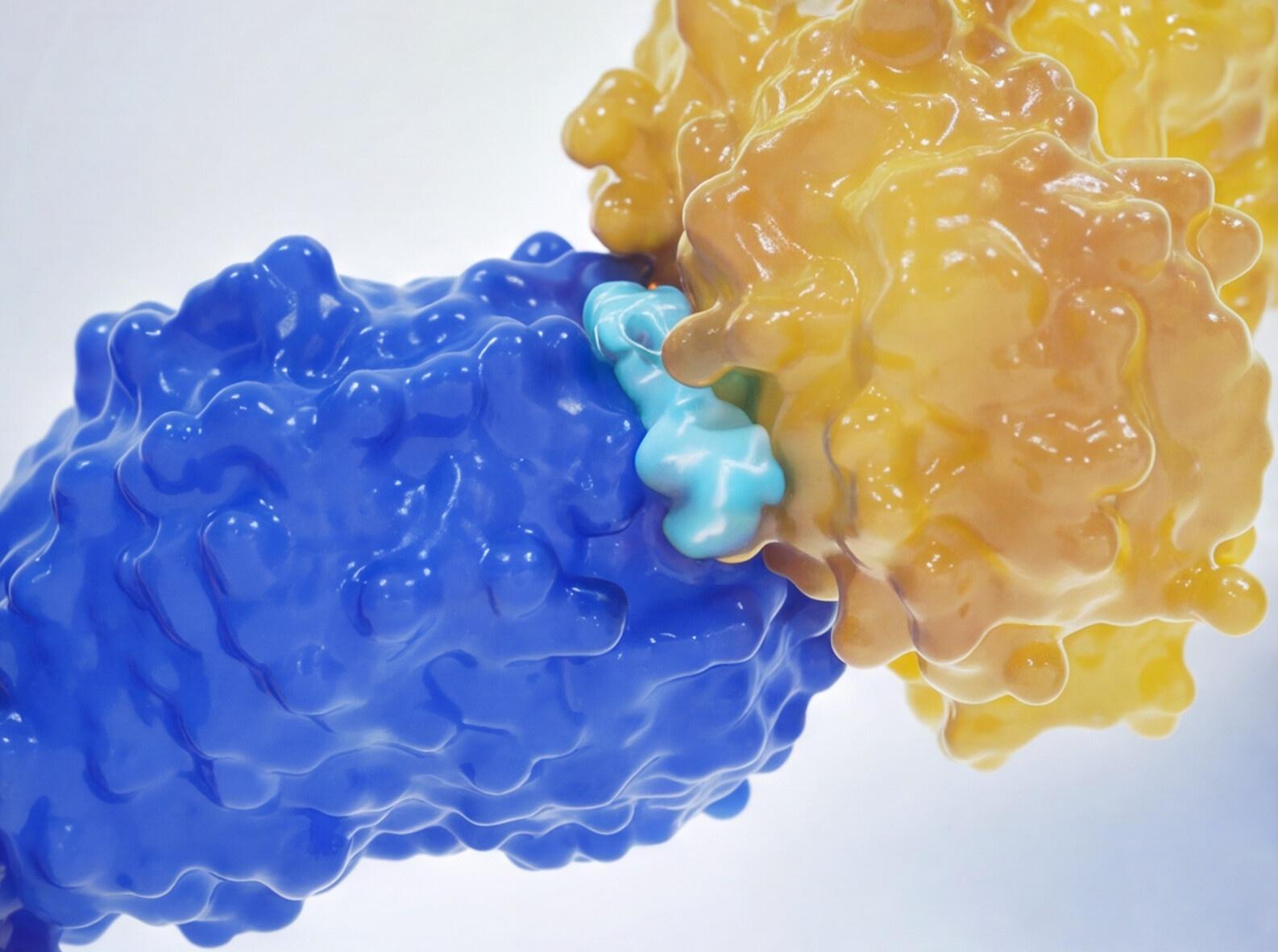






Type 1 diabetes affects millions, and islet cell transplantation offers a promising treatment by restoring insulin-producing beta cells. However, most transplanted cells die shortly after surgery due to insufficient revascularization. A new RNA technology addresses this by using a targeting aptamer and a gene-activating RNA (saRNA). This combination transiently boosts VEGF-A production in beta cells, promoting the necessary blood supply. This innovative approach significantly increases beta cell survival post-transplantation in animal models. Expected human clinical trials could revolutionize diabetes treatment and other cell-based therapies.
William A. Haseltine's articles predominantly cover scientific and healthcare-related topics, with a focus on medical research, eye health, genetic testing, regenerative medicine, and retinal diseases.
Given the high percentage of coverage attributing to citing data and industry-specific details in his articles, William is likely to respond well to pitches that provide access to recent research findings or studies related to these specific areas. He may also be interested in expert opinions from professionals actively involved in medical research and development within these fields.
Considering the depth of technical knowledge presented in his article titles, it would be beneficial for those reaching out to him to have a strong understanding of the subject matter they are pitching about. Furthermore, sources that can offer unique insights into cutting-edge advancements or emerging trends within the mentioned topics may capture William's attention effectively.