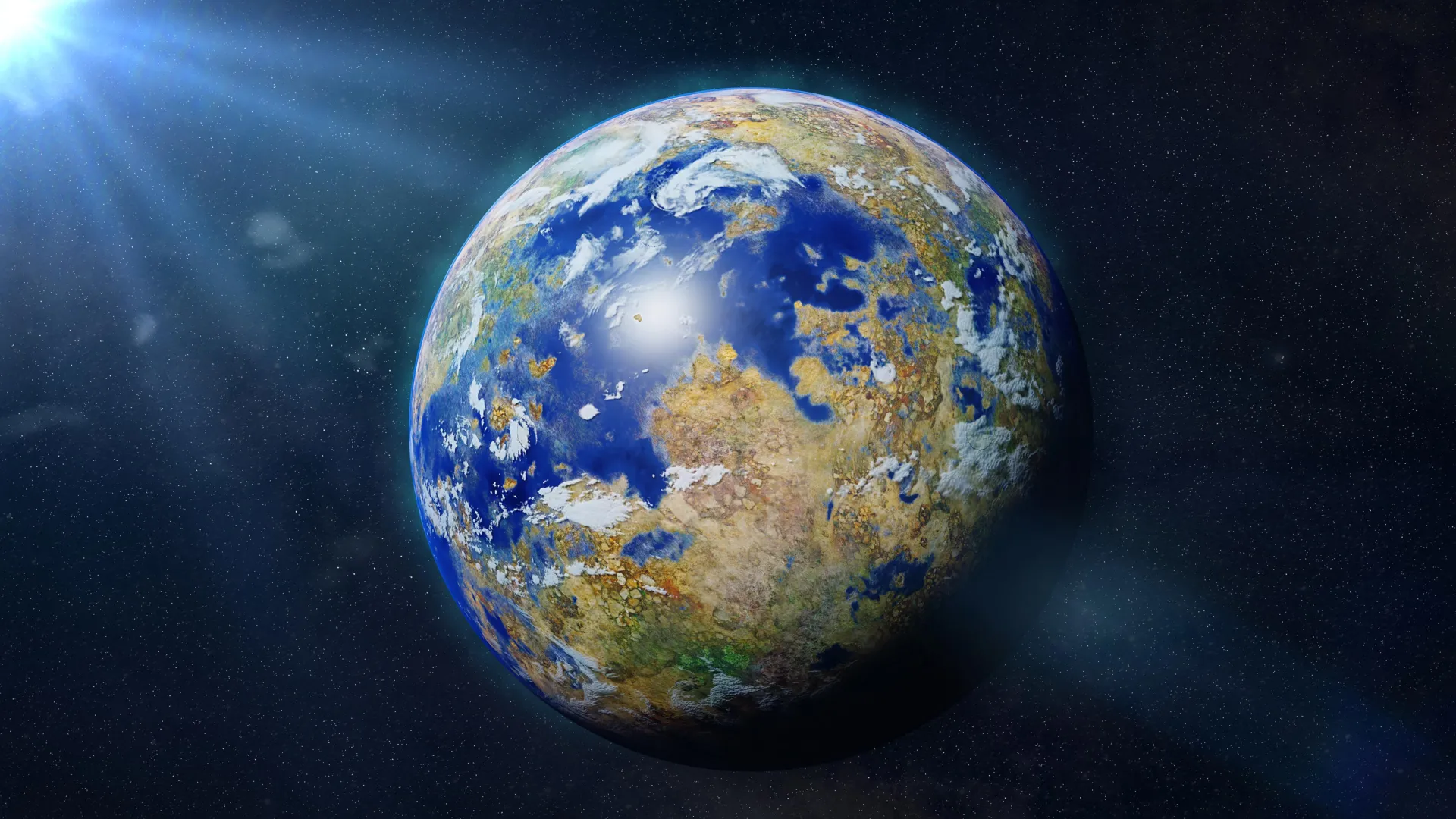
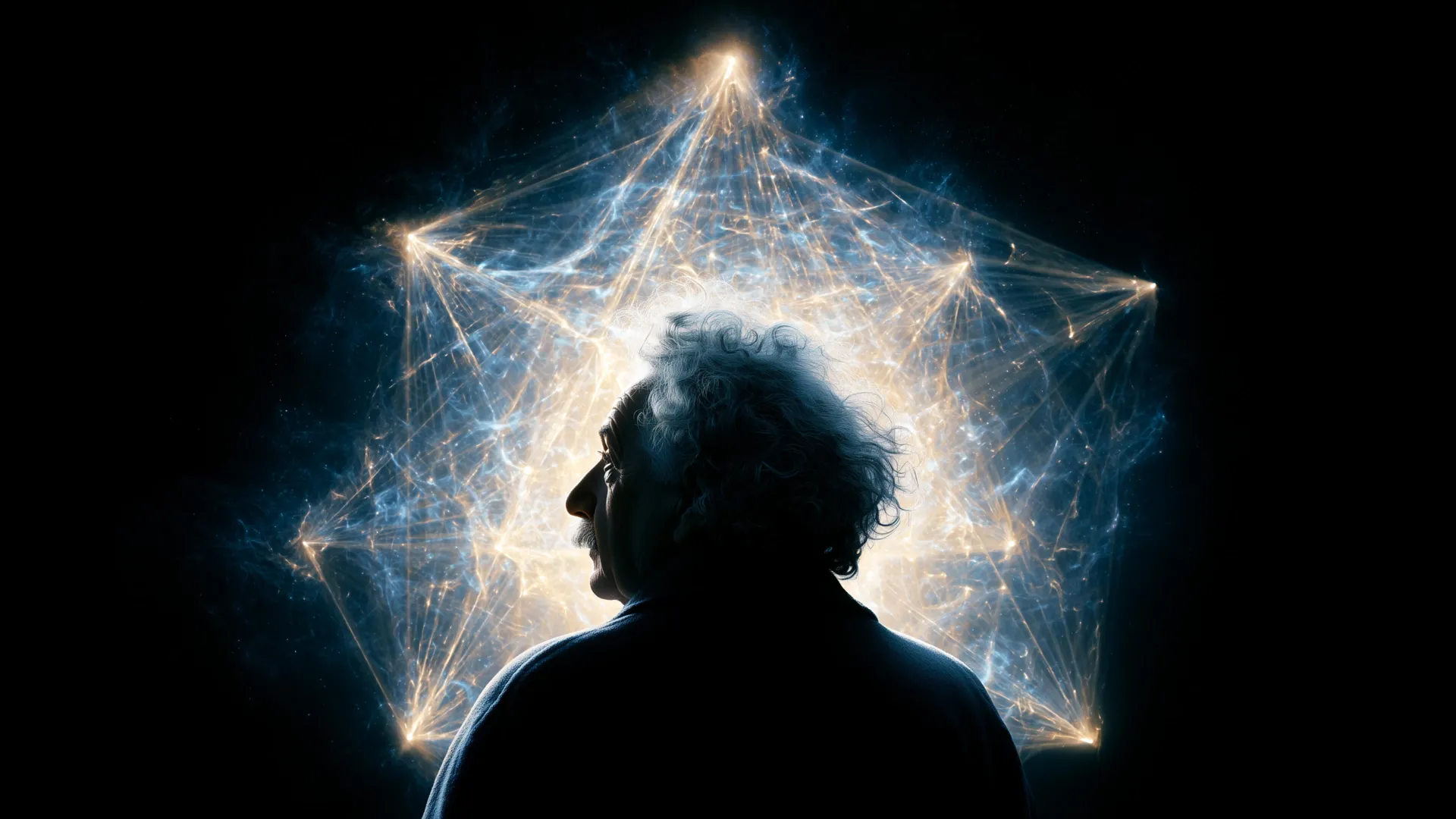
Mathematicians have uncovered what they argue is a fundamental flaw in the standard model of the universe, potentially challenging the need for dark energy. Their calculations suggest that the mathematical framework used to describe cosmic expansion is inherently unstable and that the universe could accelerate naturally under Einstein's original theory of gravity. The findings also raise surprising questions about whether our location in the universe is as ordinary as scientists have long assumed.
ScienceDaily is a leading online science news platform that provides comprehensive and up-to-date coverage of the latest scientific discoveries and research from renowned universities and institutions worldwide. With a broad scope spanning various scientific disciplines, including astrophysics, zoology, healthcare, pharmaceuticals, engineering, energy, and even cultural and societal topics, ScienceDaily caters to a diverse audience of science enthusiasts, researchers, and professionals.
The platform's strength lies in its ability to distill complex scientific information into accessible and engaging content, making it a valuable resource for both experts and general readers alike. ScienceDaily's articles are meticulously crafted, often citing data from original research papers, industry-specific sources, press releases, legal policies, regulations, and government announcements, ensuring accuracy and credibility.
ScienceDaily's audience includes scientists, researchers, students, educators, policymakers, and anyone with a keen interest in staying informed about the latest advancements in various scientific fields. The platform's commitment to delivering high-quality, fact-based content has solidified its reputation as a trusted source for scientific news and information.
Through its online presence, ScienceDaily provides a centralized hub for accessing scholarly articles, research papers, and news articles from reputable sources, making it an invaluable resource for the scientific community and the general public alike.