

A default reaction to news of job losses in the UK car industry is to ask what the government is going to do about it. So, well done business secretary Jonathan Reynolds for giving the correct respons...
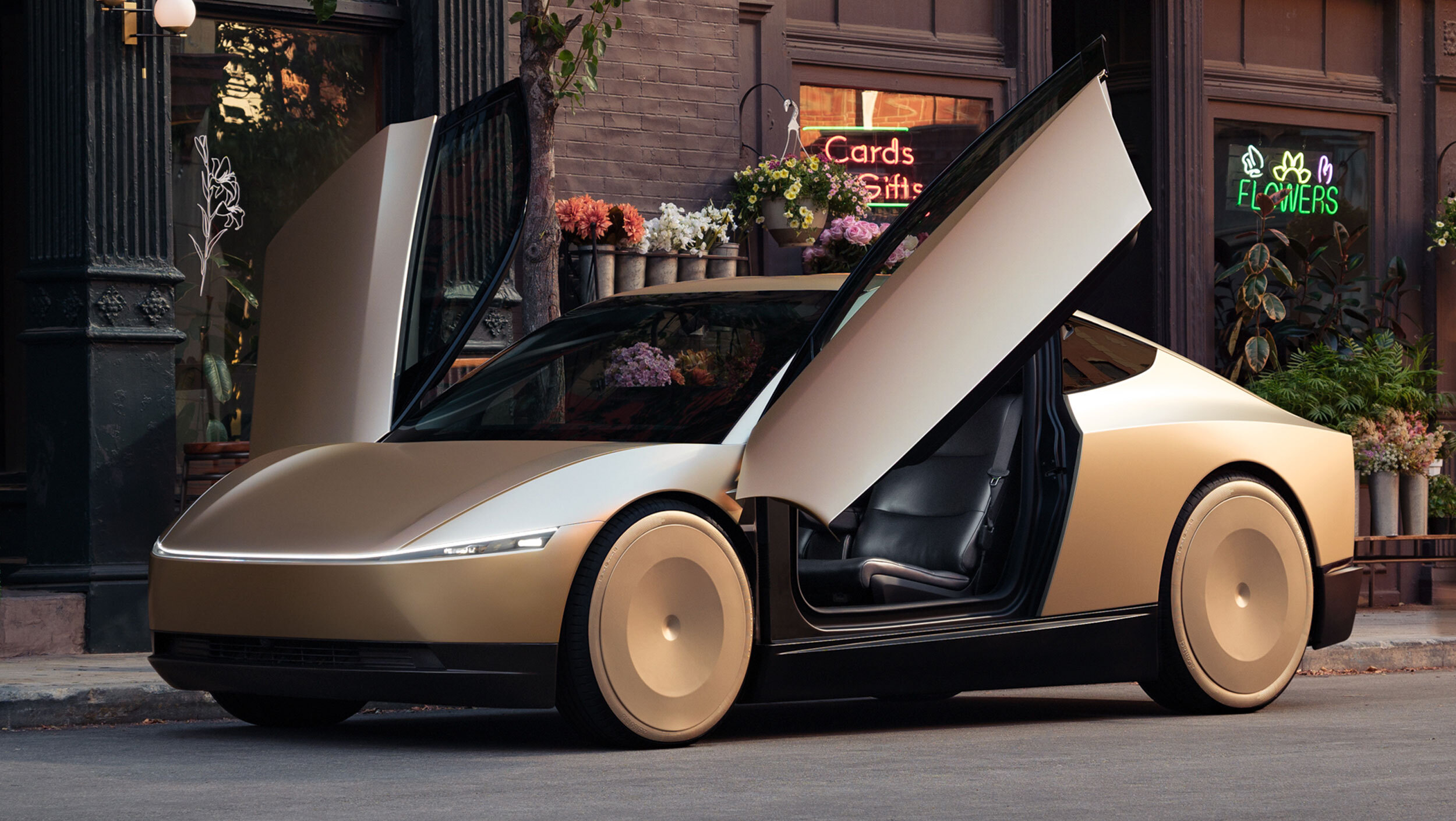
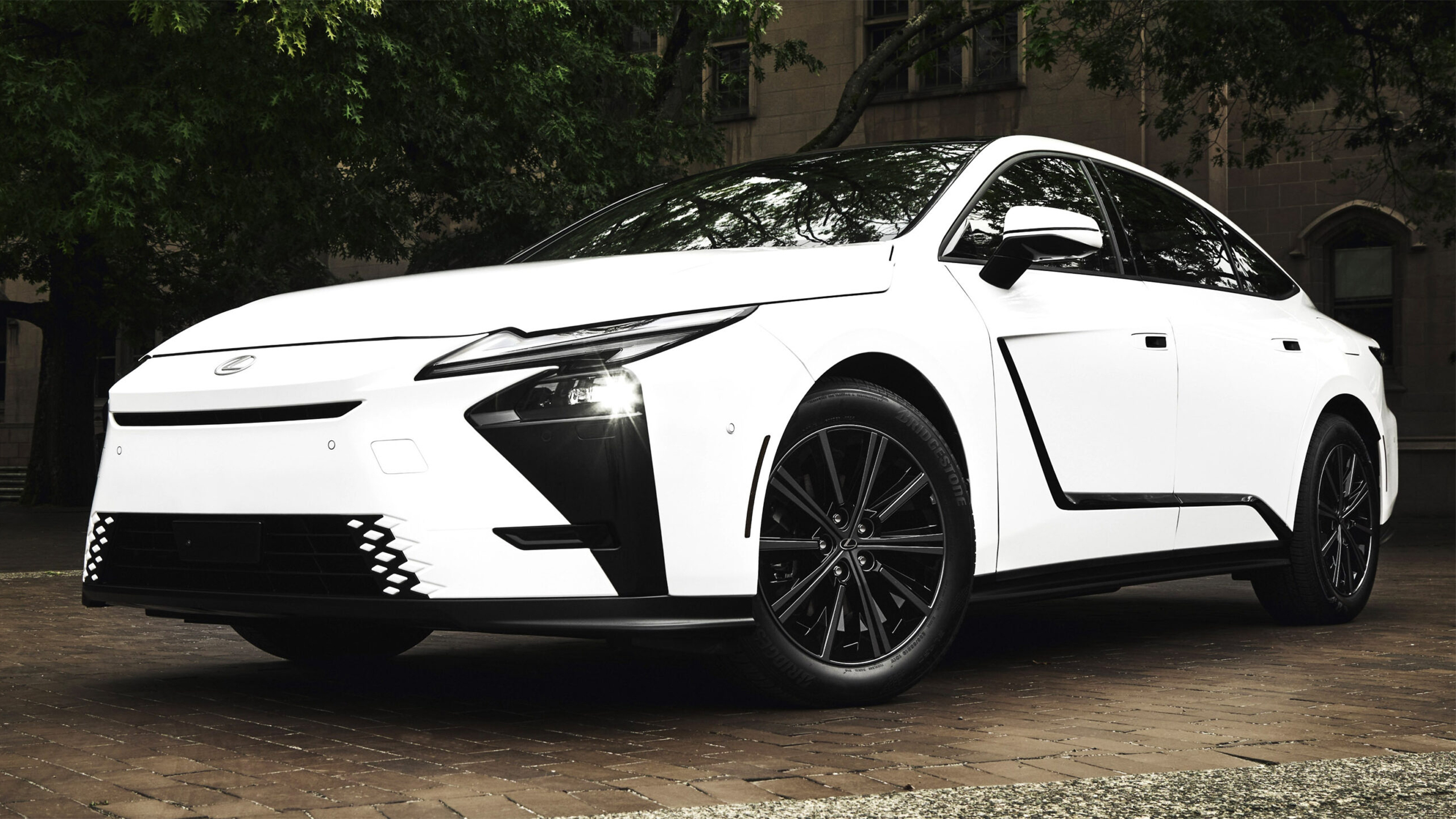
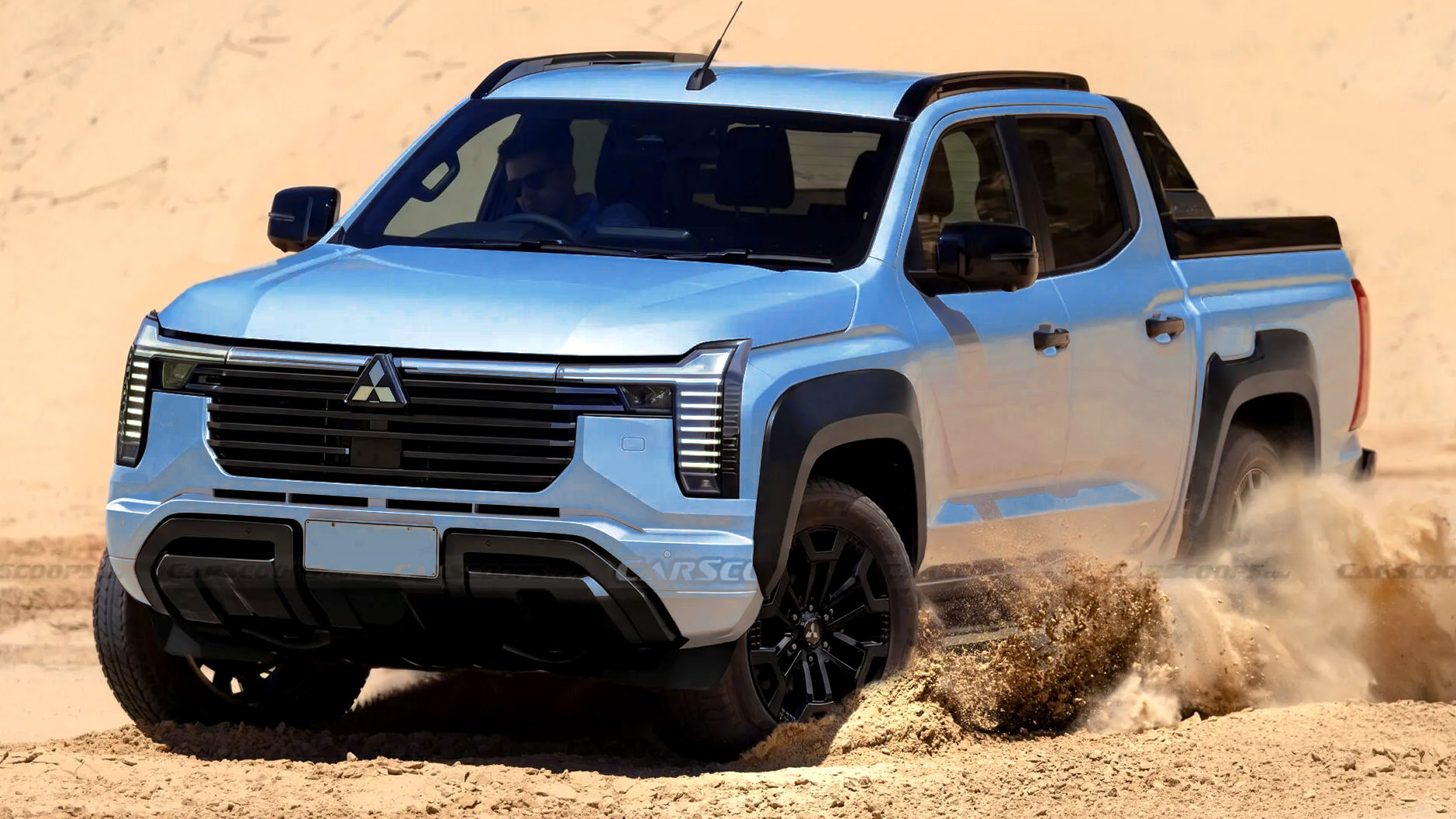
In the past week, several key developments have emerged in the automotive industry, particularly focusing on electric vehicles (EVs) and advancements in automotive technology. Dacia is making a strategic move by bringing its popular Spring EV back to Europe from China to capitalize on the growing EV market in France, which has been hindered by the country's subsidy program excluding Chinese-made EVs. Meanwhile, Lexus is stepping up its game in California by offering generous EV incentives to boost interest in its newly launched models, such as the Lexus RZ and ES EV, with $2,500 rebates available. Additionally, Mitsubishi is working on a facelift for its Triton pickup, potentially incorporating design and technology features from the new Pajero to better compete in the market. These developments highlight a significant focus on expanding and enhancing EV offerings to meet increasing consumer demand and regulatory pressures.
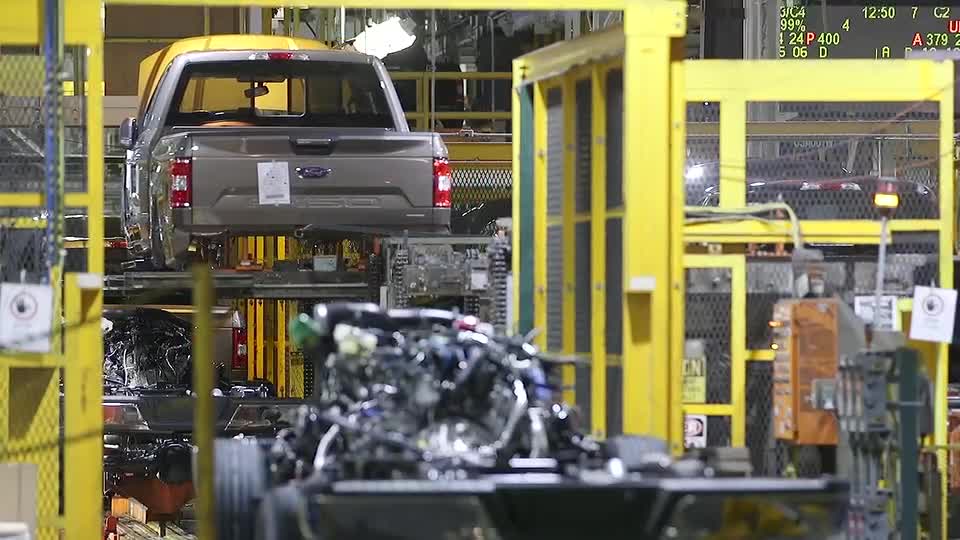
Technological advancements in the automotive sector are also making headlines, with BMW patenting a new suspension system that can predict and assist with vehicle sliding, potentially revolutionizing driving dynamics on racetracks and private roads. Ford's commitment to improving vehicle quality is evident as it hires and promotes specialized engineers, resulting in notable gains in JD Power's Initial Quality Study rankings. Furthermore, the market for automated dealership phone calls is experiencing growth, with potential consolidation on the horizon as companies leverage artificial intelligence to streamline operations. These trends underscore the industry's ongoing efforts to integrate cutting-edge technology and improve product quality, positioning automakers to better compete in a rapidly evolving market landscape.