


Brandon's passion for aviation started at a young age. He became involved in the flight simulator and VATSIM communities, which sparked his interest in aviation and eventually led him to earn his priv...
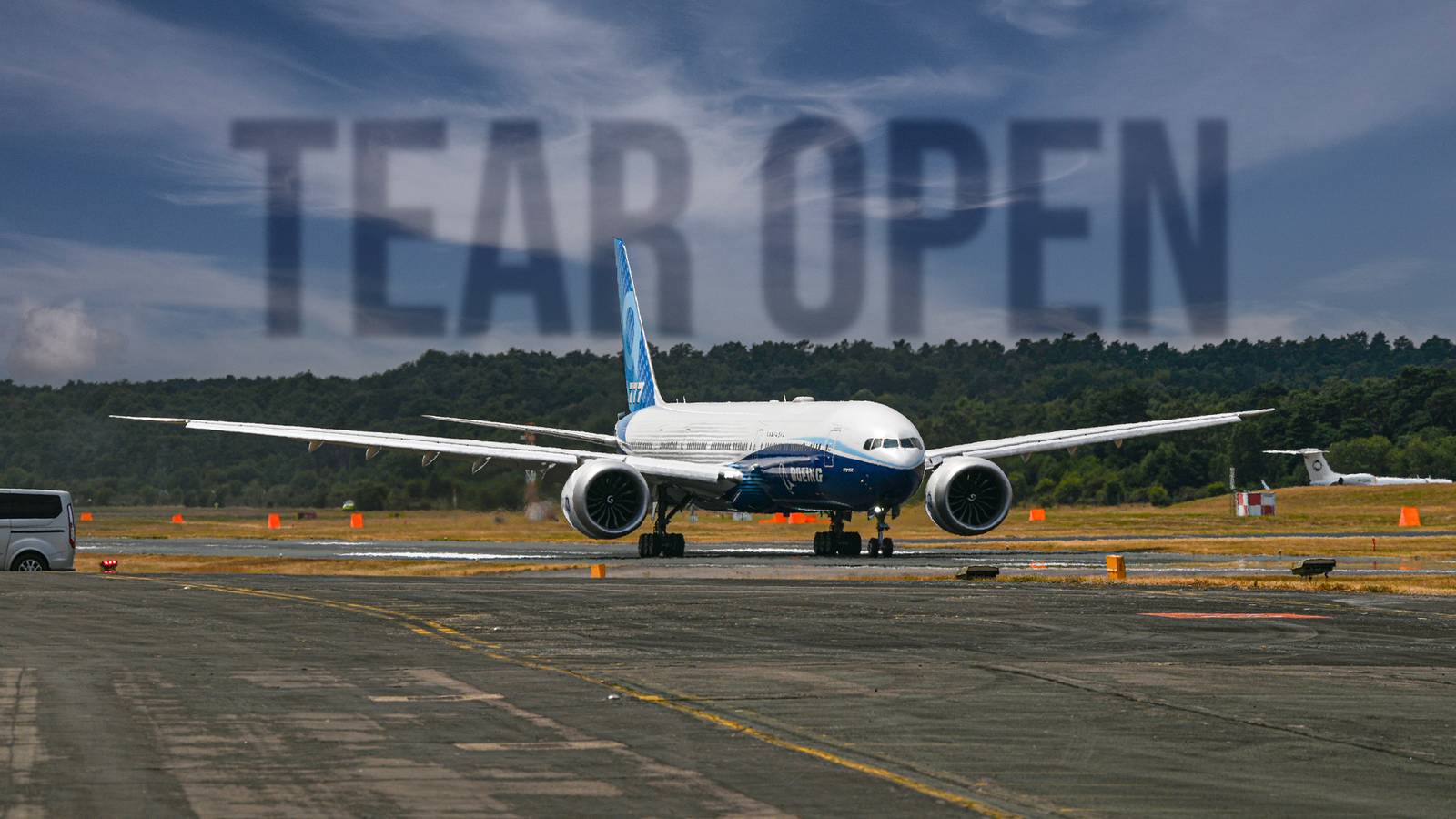
In the past week, several significant developments have emerged in the Aviation & Aerospace sector. Airbus and Boeing have made headlines with their strategic decisions regarding engine options on new widebody aircraft. Both companies have opted to limit engine choices, with Airbus’ A350 and Boeing’s 777X offering just one engine option each, aligning airlines with long-term commitments to Rolls-Royce and General Electric, respectively. This move reflects a broader industry trend towards streamlining and simplifying aircraft production and maintenance processes. Additionally, the certification delays for Boeing's 777X have raised concerns about potential delivery setbacks, now pushing expected deliveries into early 2027. This delay adds to the ongoing challenges faced by Boeing in meeting its production timelines.
Another notable trend is the advancement of innovative aircraft technologies. Regent has achieved a milestone with the successful crewed flight of its Viceroy seaglider prototype, marking a significant step towards production. This all-electric seaglider represents a new frontier in sustainable aviation, leveraging wing-in-ground effect technology. Meanwhile, the U.S. Air Force is focusing on expanding its fleet with the introduction of the F-15EX to the Air National Guard, emphasizing the importance of modernizing military aviation capabilities. Furthermore, the U.S. Space Force has completed a critical design review for new missile warning satellites, highlighting ongoing investments in space-based defense systems. These developments underscore the industry's commitment to innovation and adaptation in response to evolving technological and geopolitical landscapes.