

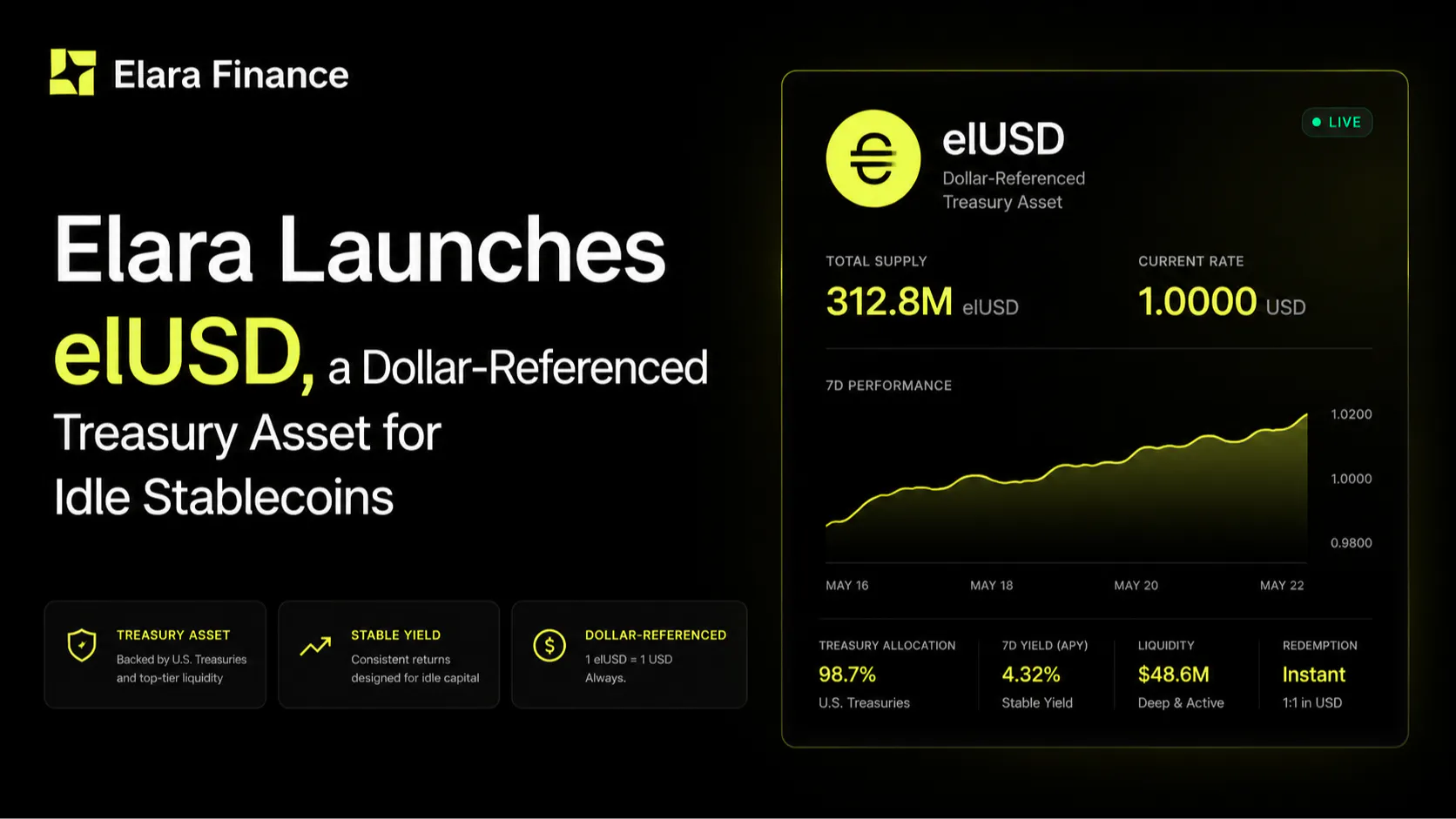
There is more idle capital sitting onchain than most people realize. The total stablecoin float sits above $300 billion and has grown roughly 14% year over year, yet billions of those dollars are park...
In recent blockchain developments, significant attention has been drawn to the evolving landscape of Bitcoin and digital asset management. BTCLOAN has launched a global marketplace for Bitcoin-backed loans, allowing crypto holders to access liquidity without selling their coins, indicating a growing trend in leveraging digital assets for financial flexibility. Additionally, Capital B's acquisition of 376 BTC, raising its holdings to 3,521, showcases the continued interest and investment in Bitcoin as a treasury asset. Meanwhile, the Ethereum Foundation has set a strategic goal to achieve post-quantum security for Ethereum's Layer 1 blockchain by 2029, highlighting a forward-thinking approach to enhancing blockchain resilience against future technological threats. These developments underscore a robust interest in both securing and utilizing blockchain technology for broader financial applications.
The blockchain sector is also witnessing a surge in tokenization and institutional adoption efforts. Oliver Wyman's report highlights a potential $45 billion shift in market infrastructure revenue towards tokenized systems, suggesting a significant transformation in how financial markets operate. This aligns with UK Finance's push for executing tokenization strategies, emphasizing the need for the UK to convert its regulatory foundations into active market participation. Furthermore, the Digital Asset's focus on tokenized deposits as a bridge for traditional finance players entering the crypto space indicates a growing convergence between conventional financial systems and blockchain technology. These trends reflect a broader movement towards integrating blockchain solutions into mainstream financial operations, driven by the promise of increased efficiency and new revenue streams.