

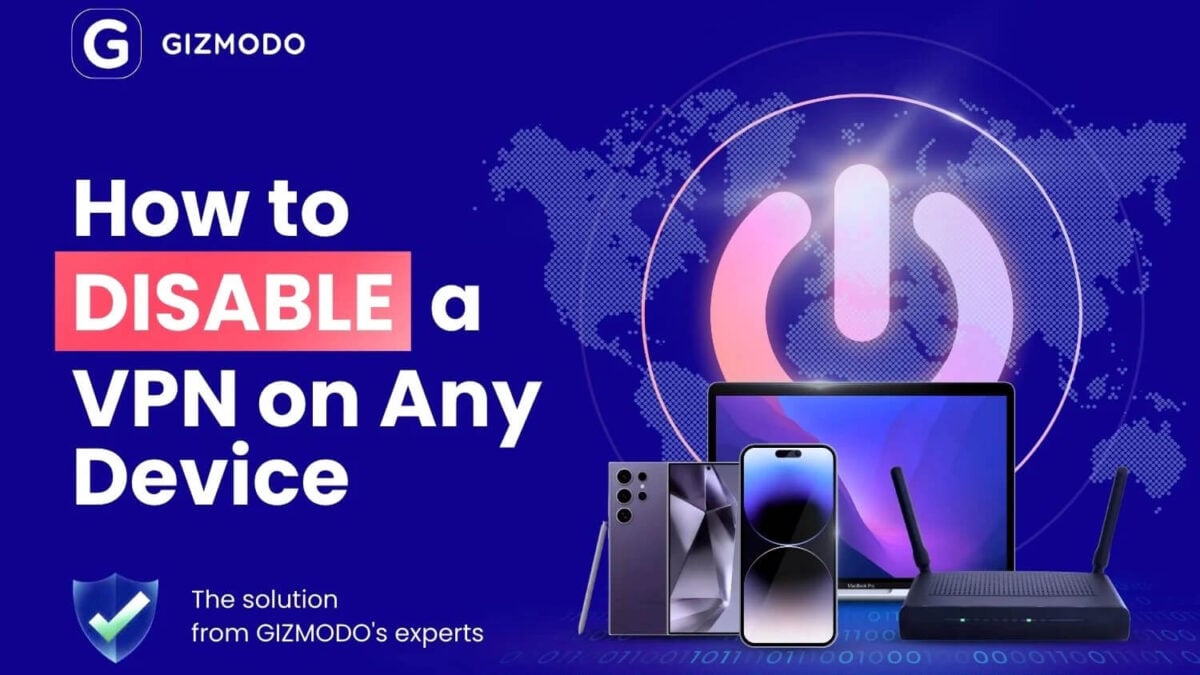
How to Turn Off a VPN on Any Device Most of the time, a VPN should work in the background without you noticing it. Then a banking app flags your login as suspicious, a store shows prices in the wrong...
In the realm of consumer technology, several notable developments have emerged over the past week. Tiny Corp's introduction of the $30,000 tinybox Red Kimi marks a significant advancement in AI workstations, boasting an impressive 16 TB SSD array and 128 GB GPU memory. This high-performance machine is designed to handle massive AI models like Moonshot's 2.8-trillion-parameter Kimi K3, emphasizing the growing demand for powerful computing solutions in AI applications. Meanwhile, Meta's new VR glasses have been praised for their balance between the high-end features of Vision Pro and the simplicity of Galaxy XR, offering an immersive yet comfortable experience. This reflects a trend towards more user-friendly and versatile VR devices in the market.
Additionally, the smartphone industry is witnessing a shift as Apple and Samsung have managed to increase their market share despite a 21% decline in global smartphone chip shipments. This indicates their resilience and strategic positioning in a challenging market environment. In parallel, Amazon is expanding its AI capabilities by integrating its shopping agent into text messaging, allowing users to shop through simple text interactions. This move underscores the increasing integration of AI into everyday consumer activities, aiming to enhance convenience and efficiency. Furthermore, the Seattle startup Firmly is gaining traction by enabling online retailers to leverage AI shopping assistants, highlighting the growing importance of AI in e-commerce. These developments collectively illustrate a significant push towards AI-driven solutions across various consumer tech sectors.