



By: Hye Jin
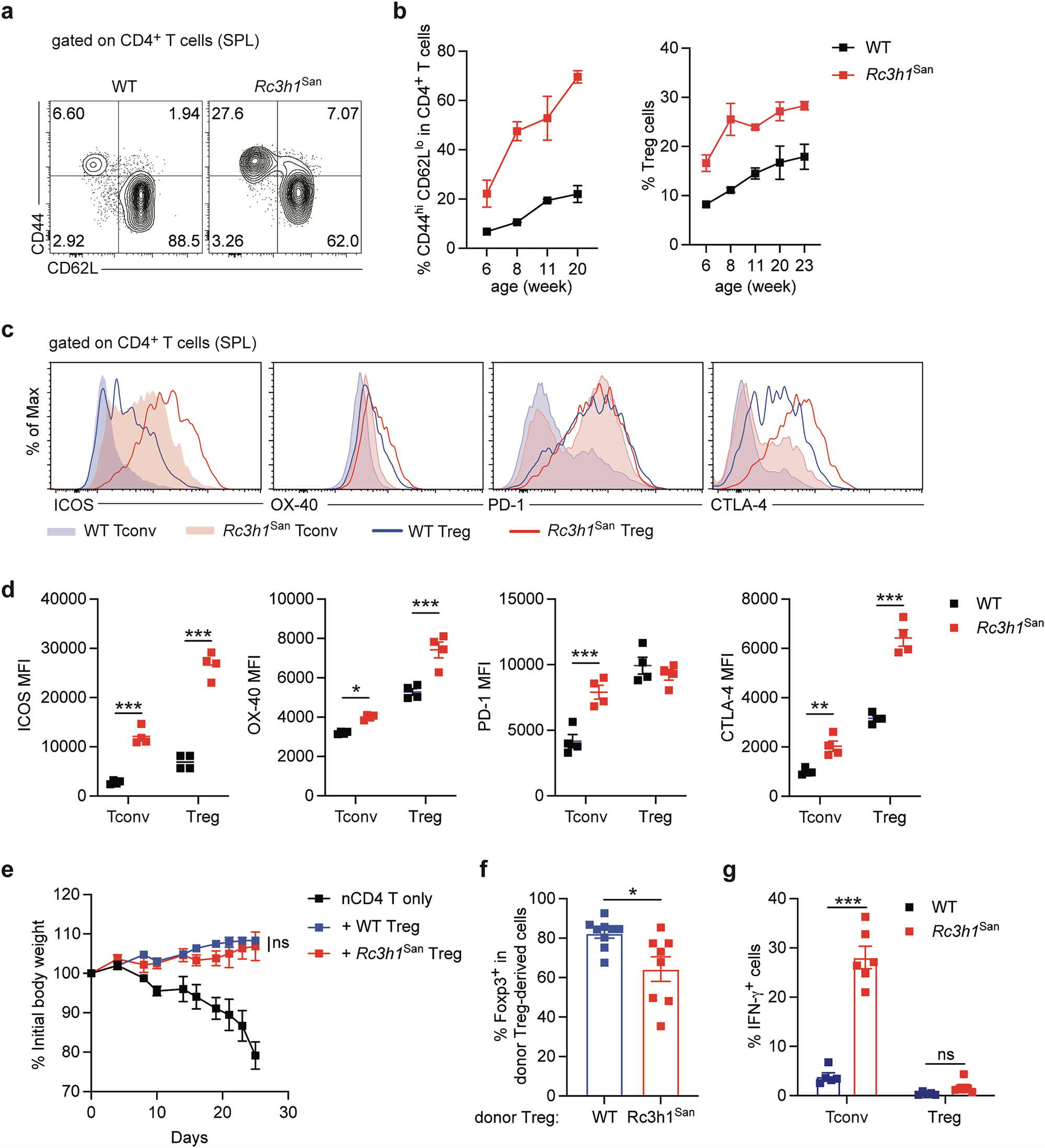
Systemic lupus erythematosus (SLE) is a complex autoimmune disorder driven by dysregulated B and T cell responses. This study explores the role of regulatory T (Treg) cells and their interaction with other immune cells in SLE, using Sanroque mice as a model. Researchers found that Treg cells expand, maintaining suppressive function, yet fail to fully control autoimmunity. Defective inducible T cell costimulator signalling reduces Treg cells and disrupts germinal centre (GC) B cell responses but does not prevent autoantibody production, suggesting that non-GC B cell responses are involved. Notably, Nrp-1 hi CD4 T cells, which are self-reactive, outcompete Treg cells for dendritic cell engagement, and promote age-associated B cells, contributing to autoantibody production. These findings suggest that targeting inducible T cell costimulator signalling in SLE may have dual effects, potentially reducing Treg cells and activating non-GC responses. Future research could explore therapeutic strategies targeting Nrp-1 hi CD4 T cells to manage SLE more effectively.