

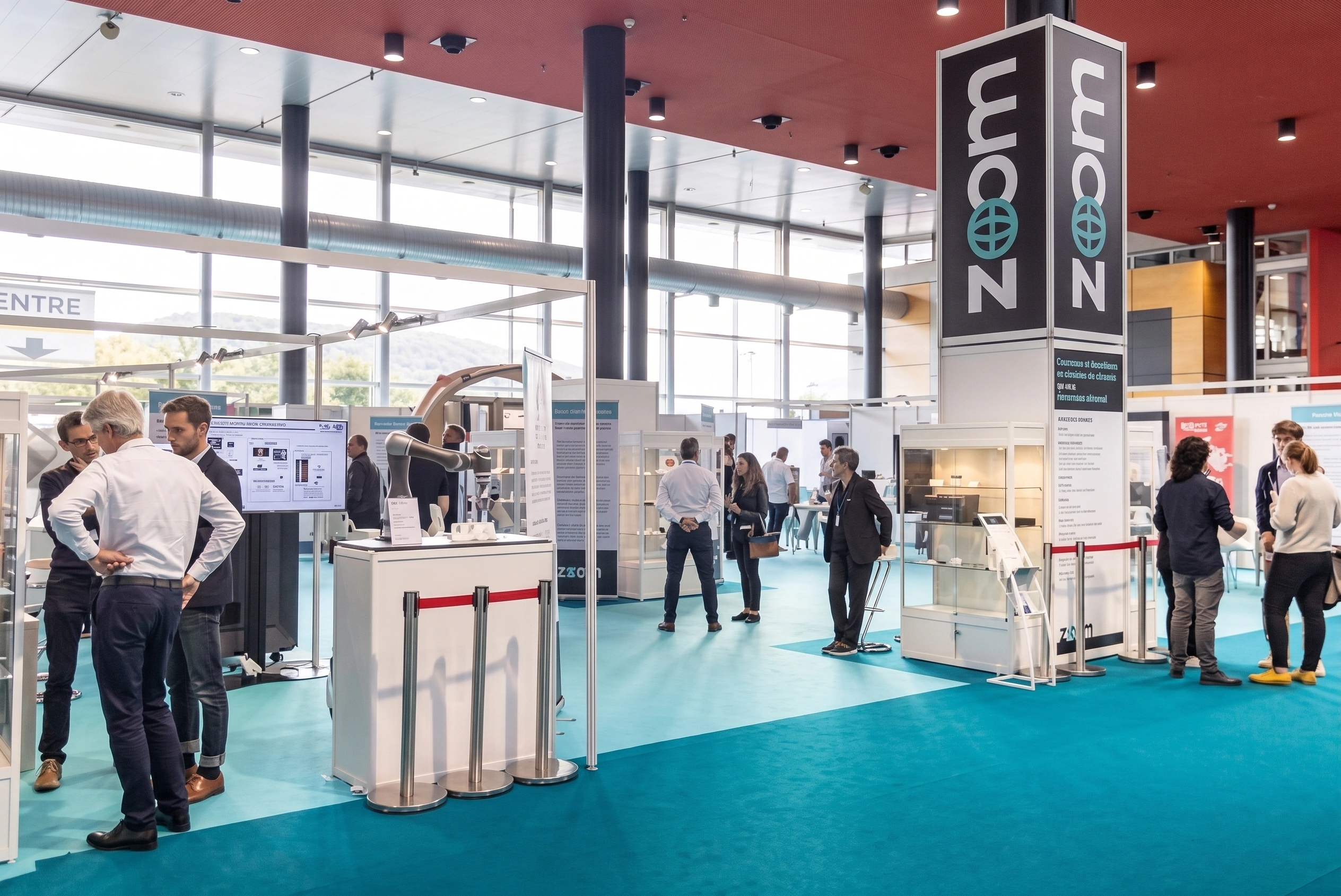
Micronora, the leading international microtechnology and high precision trade fair, will be back in Besançon (France) from 29 September to 2 October 2026. A hive of innovation, this trade fair showc...
In the past week, several engineering-related articles have highlighted significant advancements in various fields. One notable trend is the focus on sustainable and innovative construction techniques. For instance, the integration of phytoremediation with biochar amendments, specifically a Magnesium Oxide–Silicon–Hydroxyapatite (MOSi-HAP) biochar system, is being explored to remediate heavy metal contamination in soils, thereby improving agricultural productivity. Similarly, the development of recycled aggregate concrete (RAC) using an improved Support Vector Machine (SVM) method aims to predict compressive strength more accurately, reducing the reliance on costly trial-and-error testing. These advancements reflect a growing emphasis on environmentally friendly and efficient construction practices.
Another prominent theme is the rapid evolution of technology in the semiconductor and energy sectors. China's AMEC has launched six new machines to boost semiconductor production, signifying a strategic push to enhance the country's capabilities in this critical industry. Concurrently, the development of superconducting circuits with unprecedented density and the introduction of high-NA EUV photomask efforts aim to revolutionize chip manufacturing by reducing costs and increasing efficiency. In the energy domain, research into retrofitting non-powered dams in the U.S. could potentially generate significant electricity, showcasing a move towards harnessing untapped renewable energy sources. These developments underscore the engineering sector's commitment to advancing technology and energy solutions to meet future demands.